Rodent control in Cleveland, TN, that closes the door behind the trap.
Mice and rats carry pathogens, chew insulation and wiring, and contaminate stored goods. Poison alone rarely solves the problem: new rodents simply use the same entry routes the first ones did. Hiwassee Pest Control pairs trapping with structural exclusion so the property stops letting them back in.

Why trapping alone is not enough
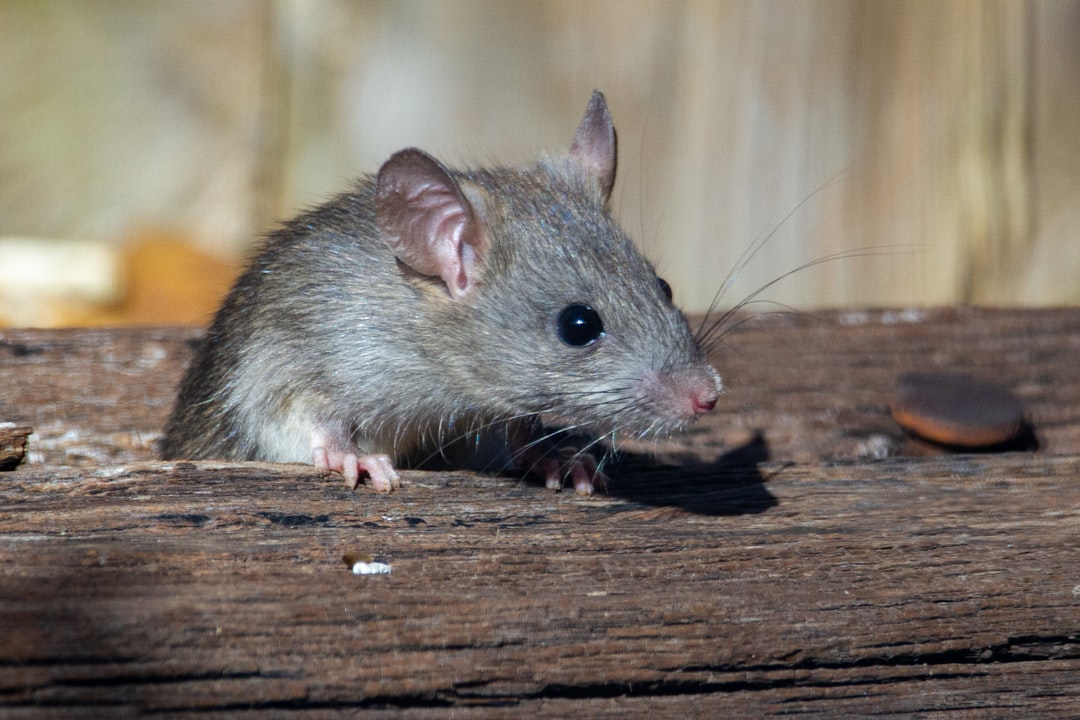
A mouse can squeeze through a gap the width of a dime, and rats burrow beneath slabs, AC pads, and utility penetrations. When rodents are trapped but the entry route stays open, the population rebounds within weeks. Lasting rodent control in Cleveland means finding how they got in and physically closing those routes.
Where rodents enter Cleveland homes
Sill plates & crawlspace vents
Mice enter through dime-sized voids where the wood sill meets the foundation, and through damaged or missing crawlspace vent screens.
Utility & pipe penetrations
Gaps around water lines, HVAC refrigerant lines, and conduit are common highways for mice moving between the crawlspace and living space.
Soffits & roofline gaps
Roof rats and squirrels exploit openings at soffits, fascia, and roofline transitions to reach attics and wall voids.
Foundation burrowing
Norway rats dig beneath exterior slabs, AC pads, and foundation walls to nest and access the structure from below.
Our rodent program: trap, exclude, monitor
The work happens in three connected steps:
- Interior & exterior trapping, strategic interior trapping combined with tamper-resistant exterior stations to lower perimeter population pressure.
- Entry point identification, we point out the crawlspace vents, soffit openings, and pipe voids that need physical closure.
- Exclusion advising, guidance on sealing and repairs so the structure stops re-admitting rodents after the active population is removed.
We do not promise a single visit resolves every rodent issue: severe infestations and extensive entry-point repairs can take follow-up. We tell you that up front.
Common signs of rodent activity
Scratching in walls or ceilings
Nocturnal movement in attics, wall voids, or drop ceilings, often the first sign homeowners notice.
Droppings along baseboards
Pellet-shaped droppings along baseboards, in cabinets, or in attic insulation indicate established travel paths.
Chewed wiring or insulation
Gnawed ductwork, wiring, or insulation in crawlspaces and attics is both a rodent sign and a fire hazard.
Ready to discuss this concern at your property?
Tell us what you are seeing in Cleveland, TN. We review the details, explain the treatment plan, and provide a clear quote before any work begins.